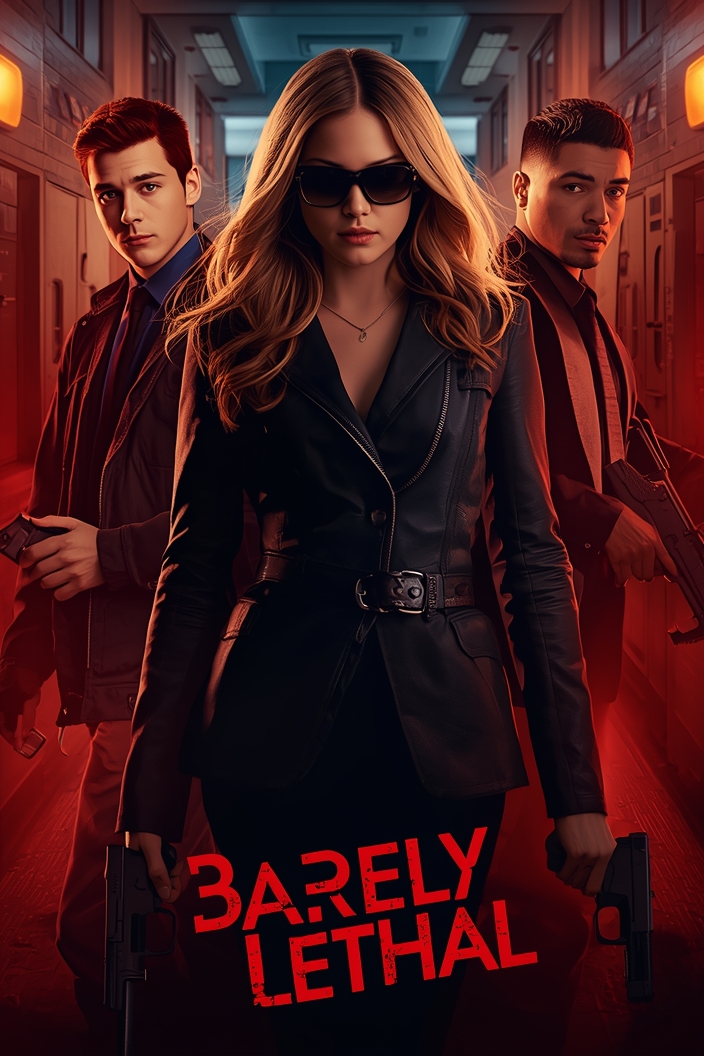
Mixed: Barely Lethal Tries to Blend Assassin Action with High School Comedy
A teen‑killer in a cheerleading uniform lands somewhere between a goofy spy flick and a coming‑of‑age drama, and the mix never quite clicks.
Introduction
The trailer promised a fresh spin on the teen‑spy formula, a lethal prodigy swapping covert ops for lockers and pep rallies.
The finished film, however, feels like two movies stitched together—a half‑baked action comedy that never lets either side breathe.
I’m writing because the premise is still worth dissecting; it shows how a clever logline can be derailed by tone, pacing, and a script that can’t decide what it wants to be.
What It Gets Right
Hailee Steinfeld (Michele) brings a kinetic energy that makes the character’s internal conflict palpable; her dead‑pan delivery in the cafeteria scene is a highlight.
The choreography of the training‑facility flashbacks is surprisingly slick, with wire‑work and practical stunts that feel more at home in a B‑action movie than a teen rom‑com.
The film’s central image—Michele in a cheerleading uniform, pistol tucked under a pleated skirt—captures the absurdity of the premise in a single, instantly meme‑able frame.
Premise vs. Movie
Plot Summary vs. Execution
The synopsis sells a story that could have been an Amblin‑style adventure: a kid raised as a weapon discovers the messier, messier world of adolescence and learns that the greatest battle is learning to be human. The tone promised a bright, irreverent take on espionage, with the stakes of a secret agency balanced against the everyday drama of lockers and prom.
What the movie delivers is a tonal seesaw. The first half leans heavily into slapstick school comedy, complete with cringe‑worthy cafeteria jokes, while the second half abruptly shifts to a high‑octane chase that feels lifted from a low‑budget action flick. The result is a summary that never settles, leaving the audience unsure whether to laugh or gasp.
Where It Breaks / Where It Sings
The film’s biggest flaw is its reliance on a “late‑stage magic power”—the sudden, unexplained upgrade of Michele’s skill set just as the agency’s operatives close in. This deus ex machina undermines the earlier attempts to earn her abilities through training and sacrifice, making the climax feel unearned.
Yet the final showdown in the high school gym does sing. The choreography blends cheerleading routines with gunplay, turning a mundane pep rally into a kinetic ballet of bullets and pom‑poms. In that brief window the film finally aligns its premise with its execution, proving that the concept can work when the tone is consistent.
People
Hailee Steinfeld (Michele) is the film’s engine; she carries the absurdity with a grounded performance that prevents the script from tipping into pure farce. Her timing is crisp, and she makes the audience care about a character who could have been a cardboard assassin.
Michael Angarano as the goofy best‑friend provides comic relief, but his jokes often feel recycled from high‑school comedies of the early 2000s. He is used well in the early school scenes but fades into the background once the action ramps up.
The agency’s lead, played by a seasoned character actor, is wasted. He is introduced with a menacing monologue that never materializes into anything beyond a generic henchman, turning a potentially interesting antagonist into scenery‑chewing.
Look and Feel
Visually the film leans into a glossy, pastel‑washed high school aesthetic—bright lockers, neon signage, and over‑saturated cafeteria lighting—that clashes with the gritty, steel‑gray training facility flashbacks. The contrast is intentional but feels more like a budgetary compromise than a thematic statement.
CGI is minimal; most of the action relies on practical effects, which is a plus. However, the occasional shaky‑cam during chase sequences adds a layer of visual nausea that distracts rather than immerses. The overall craft sits comfortably in the middle of the B‑movie spectrum.
Who It's For
This is a Sunday‑afternoon B‑movie for teens who enjoy a goofy spy premise and adults who can overlook narrative gaps for a few well‑choreographed set pieces. If you were hoping for a sharp satire of government programs or a heartfelt teen drama, you’ll be disappointed.
Verdict
- Premise
- 7/10
- Script
- 5/10
- Cast
- 8/10
- Craft
- 6/10
- Rewatch
- 5/10
- Plot
- 6/10
- Score
- 6/10
- One-line
- "A clever concept that fizzles out before it can fully explode."