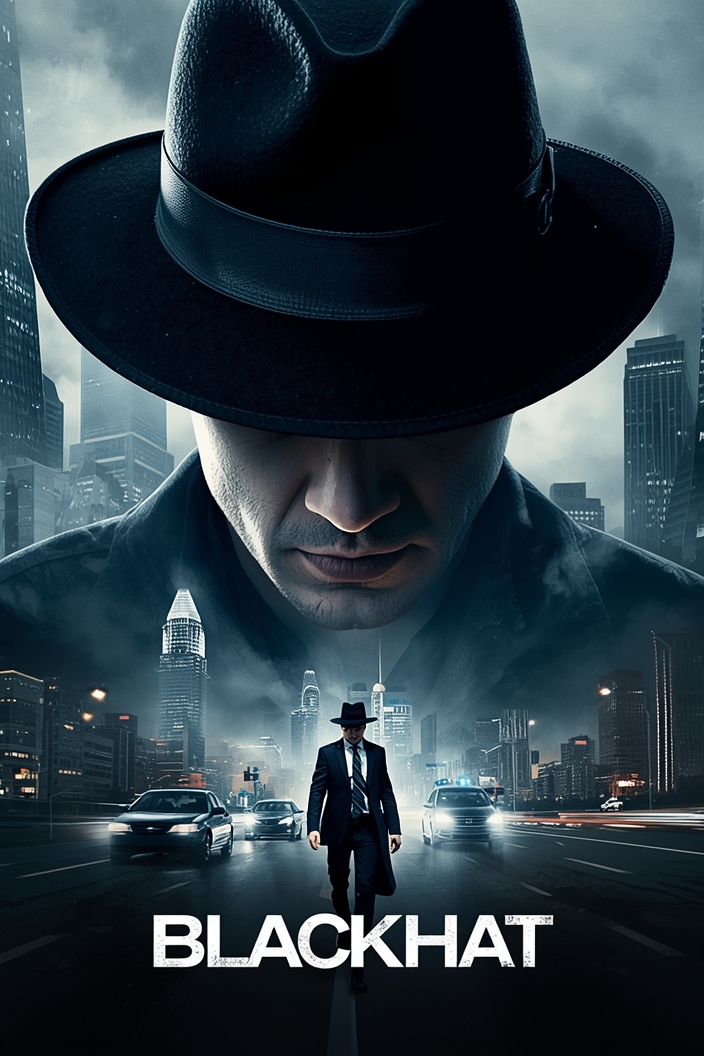
Mixed: High-Tech Thrills, Low-Tech Storytelling in Blackhat
A sleek cyber‑thriller that dazzles with visuals but stalls on narrative momentum.
Introduction
Blackhat arrived with the promise of a Hollywood‑level cyber‑pursuit, a world where code is as lethal as a gun. The synopsis sold us a convicted hacker, a dam disaster in China, and a globe‑spanning chase that could finally make the invisible world of hacking cinematic. What we got instead was a glossy action set‑piece that skimmed the surface of its own premise, trading depth for spectacle. I’m writing this because the film’s ambition is worth noting, even if its execution leaves the audience feeling more like a bystander than a participant in the digital war.
The summary is simple: a brilliant but incarcerated hacker is released to help U.S. authorities track a ransomware attack that triggers a catastrophic dam failure. He teams up with a U.S. Marshal and Chinese officials, hopping from Hong Kong to Los Angeles to a remote desert outpost. The premise is intoxicating, but the movie’s pacing and exposition often betray the very complexity it tries to portray.
What It Gets Right
First, the casting is a surprise win. Chris Hemsworth, better known for his hammer‑wielding heroics, delivers a restrained, almost haunted performance as Nicholas Hathaway, the reluctant cyber‑savant. He sheds the usual brawn for a quieter intensity that feels earned. Tang Wei, as Chinese cyber‑security chief Lin, brings a cool, calculated presence that anchors the film’s international stakes, while Viola Davis commands every scene as U.S. Marshal Carol Barrett, providing the moral compass the plot desperately needs.
Second, the film’s visual language captures the sleek, sterile aesthetic of modern cyber‑warfare. The opening sequence—an aerial shot of a dam’s concrete face, followed by a cascade of binary code—sets a tone that feels both ominous and beautiful. The production design, especially the high‑tech labs and the neon‑lit streets of Hong Kong, immerses the viewer in a world where data flows like water, reinforcing the central metaphor of the dam’s collapse.
Premise vs. Movie
Plot Summary vs. Execution
The tone Blackhat aimed for was a gritty, near‑realistic thriller that could sit alongside the best of Michael Mann’s techno‑noir, a film that treats hacking as a high‑stakes cat‑and‑mouse game with real-world consequences. The synopsis promised a tense, intelligence‑driven narrative where every keystroke mattered, and where the audience could feel the pulse of a global cyber‑crisis.
What the movie delivered, however, is a glossy action vehicle that leans heavily on set‑piece set‑ups and rapid location changes. The summary’s intricate web of ransomware, insider threats, and corporate espionage is reduced to a series of visual cues and quick‑cut montages. The film’s tone shifts from a serious, methodical investigation to a conventional chase, diluting the potential for a truly suspenseful, cerebral experience.
Where It Breaks / Where It Sings
The film’s biggest mechanical flaw is its handling of technical exposition. In an attempt to make the cyber‑war accessible, the script resorts to oversimplified analogies—like comparing a malware worm to a physical virus that “spreads through the bloodstream of the internet.” This shorthand undermines the intelligence of the premise and leaves the audience with a sense of déjà vu from countless other techno‑thrillers. Yet, there is a singular scene that sings: the moment Hathaway and Lin infiltrate a data center in Hong Kong, the camera glides through rows of blinking servers as they race against a ticking clock. The tension is palpable, the lighting stark, and the choreography of their movements mirrors the precision of a heist, proving the film can still deliver a pulse‑pounding set‑piece that aligns with its thematic core.
People
Chris Hemsworth is used well, shedding his superhero sheen for a more nuanced, haunted hacker. His performance grounds the film’s more extravagant moments and gives the audience a relatable anchor.
Tang Wei is a scene‑stealer, her calm demeanor and sharp delivery make the international collaboration feel authentic. She never feels like a token addition; instead, she commands the narrative whenever she appears.
Viola Davis is the film’s moral backbone. Her portrayal of Marshal Barrett is fierce and compassionate, providing the emotional weight the script often lacks. She elevates the procedural aspects with a gravitas that makes the stakes feel personal.
The supporting cast, including Wang Leehom as the Chinese cyber‑expert and William Fichtner as the U.S. cyber‑chief, are largely underused, serving more as plot devices than fully realized characters.
Look and Feel
Blackhat’s visual palette is a study in cold blues and metallic grays, punctuated by neon accents that evoke a cyber‑punk aesthetic without fully committing to the genre. The cinematography favors sweeping aerial shots of urban sprawl and tight, claustrophobic interiors of server rooms, creating a contrast between the vastness of the digital threat and the intimacy of the human players. CGI is employed sparingly but effectively, especially in the dam collapse sequence, where the water’s fury is rendered with a visceral realism that underscores the story’s high stakes. Overall, the film feels like a high‑budget action thriller that borrowed the sleekness of a tech documentary.
Who It's For
Blackhat is for viewers who enjoy glossy, globe‑trotting action and can overlook technical shortcuts. Fans of Michael Mann’s style will appreciate the sleek production design and the occasional moments of genuine tension. However, anyone looking for a deep dive into hacking culture or a tightly woven thriller will likely be left unsatisfied. It’s a decent pick for a weekend B‑movie binge, especially for those who appreciate strong performances from Hemsworth and Davis, but it won’t replace the cerebral thrills of a true cyber‑drama.
Verdict
- Premise
- 7/10
- Script
- 5/10
- Cast
- 8/10
- Craft
- 6/10
- Rewatch
- 5/10
- Plot
- 6/10
- Score
- 6/10
- One-line
- "Slick visuals and strong acting can’t hide a story that runs out of data."