A slick sci‑fi war film that dazzles with its loop mechanic but never fully escapes its own narrative hamster wheel.
Introduction
Edge of Tomorrow arrived with the promise of a fresh spin on the alien‑invasion war movie, a high‑octane blend of Tom Cruise’s swagger and a time‑loop conceit that could have redefined the genre. The synopsis hinted at a soldier forced to relive a brutal battle until he masters the enemy’s biology, a premise that felt both clever and terrifying. What we got instead was a well‑executed action showcase that occasionally forgets the emotional stakes the summary tries to set up.
The film’s core idea—using a Groundhog‑Day structure to turn a single combat sequence into a training montage—was a bold gamble for a blockbuster. It demanded that the audience accept a looping reality while still caring about the characters caught inside it. The execution is a mixed bag: the mechanics are ingenious, the set‑pieces are thrilling, yet the emotional payoff is diluted by the very repetition that fuels the plot.
I’m writing this because the movie sits at a crossroads between clever sci‑fi storytelling and conventional war spectacle. It’s worth dissecting where it succeeds in honoring its premise and where it lets the loop become a gimmick rather than a narrative engine.
What It Gets Right
First, the casting is a knockout. Tom Cruise brings his trademark intensity to the reluctant officer William Cage, but it’s Emily Blunt’s Sergeant Rita Vrataski who truly steals the show. Her performance balances lethal competence with a weary humanity, making the “full metal bachelorette” moniker feel earned rather than marketing fluff.
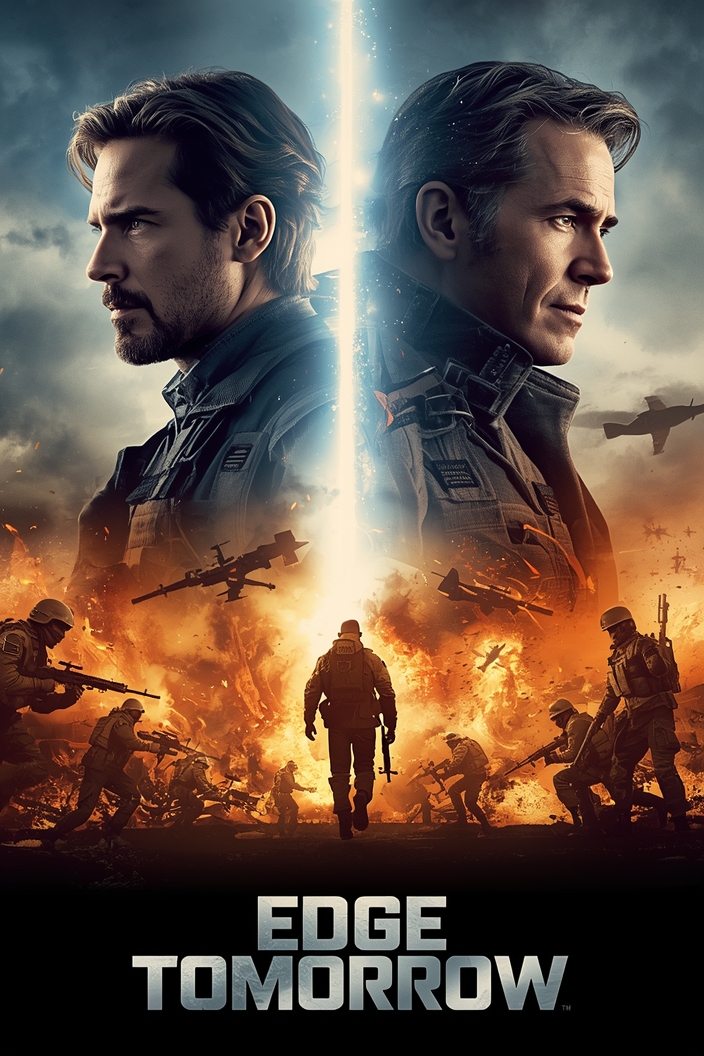
Second, the film’s central image—a lone soldier sprinting across a devastated beach under a sky of alien fire, only to reset and try again—becomes a visual metaphor for perseverance. That single shot, repeated with subtle variations, anchors the entire loop and gives the audience a clear, visceral anchor for the story’s relentless grind.
Premise vs. Movie
Plot Summary vs. Execution
The premise wanted to marry the grim, war‑torn aesthetic of a near‑future alien invasion with the playful, almost video‑game logic of a time loop. In theory, the juxtaposition should have highlighted the absurdity of war: each reset exposing the futility of sacrifice while also offering a chance to learn and improve. The tone the filmmakers aimed for was a blend of Amblin optimism and the gritty realism of a modern war film.
In practice, the movie leans heavily into the action‑spectacle side, often sidelining the darker, more reflective possibilities the summary suggests. The loop becomes a device for increasingly elaborate set pieces rather than a tool for probing the psychological toll on its characters. The result is a film that feels more like a high‑budget arcade shooter than a meditation on the horrors of endless combat.
Where It Breaks / Where It Sings
The loop mechanic itself is both the film’s greatest strength and its Achilles’ heel. Early resets are clever, showing Cage’s clumsy attempts at survival and the incremental mastery that follows. This progression feels satisfying, especially when paired with the practical effects that make each battle feel grounded. However, as the loop repeats, the novelty wears thin. By the time the third act arrives, the audience is watching the same choreography with only minor variations, and the narrative momentum stalls.
One scene that sings, though, is the rooftop showdown where Cage finally anticipates the Mimic’s attack pattern. The choreography, combined with Blunt’s fierce combat, elevates the moment from a simple action set piece to a triumph of learned skill over brute force. It encapsulates the film’s theme—knowledge as the ultimate weapon—while delivering a visceral payoff that the surrounding repetitions often dilute.
People
Tom Cruise is used well, but his star power sometimes overshadows the character’s arc. He starts as a cocky, reluctant hero and evolves into a determined survivor, yet the transformation feels rushed because the loop’s pacing forces the story to move quickly. Still, his commitment to the physicality of the role—doing many of his own stunts—adds a gritty authenticity.
Emily Blunt, on the other hand, is the film’s emotional anchor. She brings a hardened edge to Vrataski while hinting at the trauma of having lived through countless loops herself. Her scenes with Cruise crackle with tension and a begrudging respect that feels earned, making her more than just a plot device. The supporting cast, including Bill Paxton as the grizzled sergeant, provides solid background color without stealing focus.
Look and Feel
Visually, Edge of Tomorrow excels in its blend of practical and digital effects. The war‑torn European landscapes are shot with a desaturated palette that feels grounded, while the Mimics’ fluid, alien design is rendered with CGI that never feels cartoonish. The film’s production design—rusted armored vehicles, shattered cityscapes—creates a believable near‑future battlefield.
The cinematography uses tight close‑ups during the loop’s learning moments, then pulls back for sweeping battlefield vistas, reinforcing the contrast between personal growth and the massive scale of the invasion. The CGI weight is balanced; the alien creatures move with a visceral, almost animalistic quality that keeps them threatening without overwhelming the human drama.
Who It's For
This film is for viewers who love a slick, high‑concept action ride and can tolerate a repetitive structure if it serves a larger payoff. Fans of District 9’s alien design will appreciate the Mimics, while those who enjoy video‑game‑style progression will find the loop satisfying. It’s less suited for audiences seeking deep philosophical exploration of war or a tightly woven narrative without the reset gimmick.
Casual moviegoers looking for a straightforward summer blockbuster will be entertained, but they should go in expecting a loop‑driven training montage rather than a nuanced character study. Sci‑fi purists who demand originality may feel the premise is under‑utilized, while action fans will likely walk away impressed by the set pieces and the chemistry between Cruise and Blunt.
Verdict
- Premise
- 8/10
- Script
- 6/10
- Cast
- 8/10
- Craft
- 7/10
- Rewatch
- 5/10
- Score
- 7/10
- One-line
- "A brilliant loop concept that dazzles in action but never fully breaks free of its own repetition."