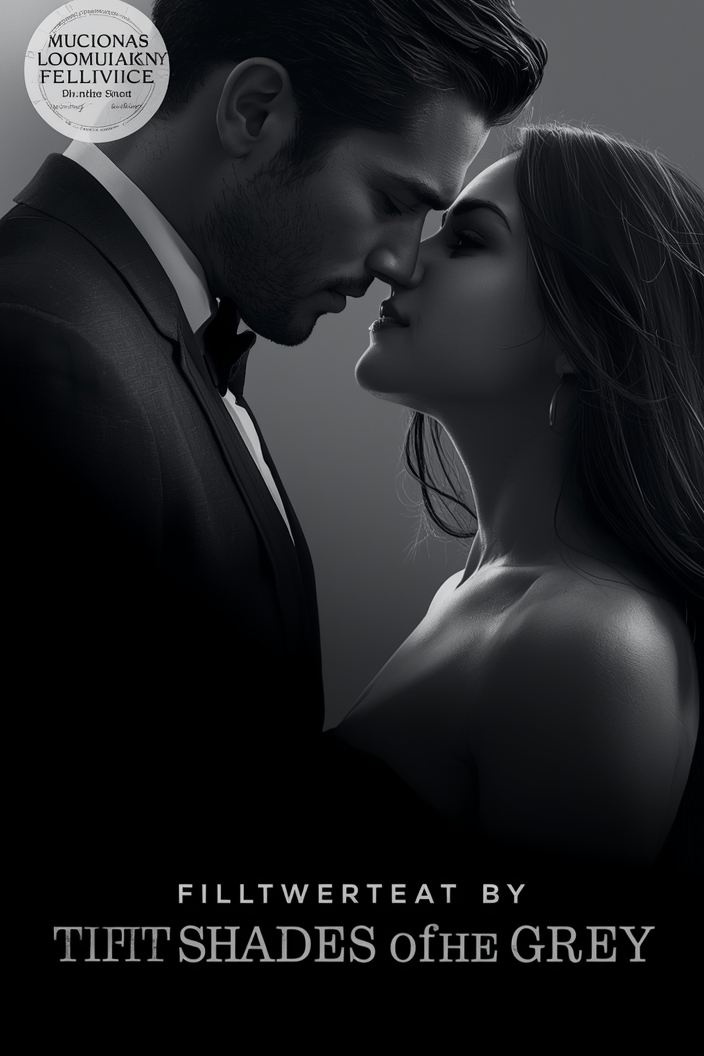
Mixed: Glamour Meets Grit in Fifty Shades of Grey, but the Heat Fizzles
A glossy romance that promises a daring plunge into BDSM but ends up a tepid, over‑styled melodrama.
Introduction
Fifty Shades of Grey arrived with the promise of turning a best‑selling erotic novel into a cinematic love‑experiment. The marketing whispered intrigue, power play, and a fresh take on modern romance, suggesting a film that would finally give mainstream audiences a glimpse behind the closed doors of BDSM. What we actually got was a glossy, studio‑crafted drama that leaned heavily on visual polish while skimming the psychological depth the source material hinted at. I’m writing this because the film’s mismatch between ambition and execution offers a cautionary tale for any studio chasing titillating hype.
The synopsis sets up a shy journalism student, Anastasia Steele, interviewing a reclusive billionaire, Christian Grey, only to discover his secret world of dominance and submission. The summary promises a negotiation of consent, a battle of wills, and a search for genuine intimacy. Instead, the movie settles into a predictable romance formula, trading the potential for raw, uncomfortable honesty for safe, market‑friendly sentimentality.
What It Gets Right
The first thing the film gets right is its casting chemistry. Dakota Johnson’s shy, wide‑eyed vulnerability pairs surprisingly well with Jamie Dornan’s cool, controlled intensity, creating moments where the audience can feel the magnetic pull that the novel describes. The production design also shines; the sleek, glass‑filled penthouses and the muted, steel‑blue color palette give the film a visual language that feels both luxurious and slightly oppressive, mirroring Christian’s need for control.
Another small victory is the single, well‑crafted scene in the Red Room of Pain. The lighting is soft yet stark, the camera lingers just enough to convey tension without slipping into gratuitousness. It’s a brief glimpse of what the story could have explored more fully—power dynamics, consent, and the emotional fallout of such a relationship.
Premise vs. Movie
Plot Summary vs. Execution
The premise, as laid out in the promotional material, promised a bold, adult‑oriented drama that would treat BDSM with a mix of respect and curiosity. It suggested a tone that could oscillate between sensual thriller and earnest romance, daring to ask whether two very different people could truly understand each other’s limits. In theory, the film could have been an Amblin‑style coming‑of‑age story set against a dark, adult backdrop, using the genre to explore deeper themes of trauma, control, and vulnerability.
What the movie delivered, however, is a sanitized, almost pastel‑colored romance that never fully commits to either side of its own equation. The tone stays comfortably in the realm of mainstream drama, smoothing over the edgier aspects of the BDSM world in favor of conventional love‑story beats. The result is a film that feels more like a glossy TV movie than the daring, boundary‑pushing piece its premise suggested.
Where It Breaks / Where It Sings
The film’s biggest mechanical flaw is its handling of consent. The narrative spends a good half‑hour establishing a contract, yet it never truly interrogates the power imbalance that such a document implies. Instead, the script treats the contract as a plot device, a convenient way to move the romance forward, and then glosses over the moments when Anastasia’s hesitation should have sparked deeper conversation. This oversight undermines the very theme the story sets up—negotiation of limits—and leaves the audience with a hollow sense of intimacy.
Conversely, the film sings in its use of music to underscore emotional beats. The soundtrack, featuring a mix of contemporary pop and moody instrumentals, often lands exactly where the characters’ feelings need a boost. The scene where Anastasia first hears “Love Me Like You Do” in the elevator is a perfect example: the song swells, the camera pulls back, and for a fleeting moment the film captures the intoxicating rush of new love that the novel so vividly describes.
People
Dakota Johnson, thrust into the role of Anastasia, makes the most of a script that often gives her little to work with. She conveys a quiet yearning that feels authentic, even when the dialogue is clunky. Jamie Dornan, as Christian Grey, delivers a performance that is more brooding than charismatic, but his subtle facial shifts hint at the trauma lurking beneath the billionaire façade. Director Sam Taylor‑Johnson, known for her work on teen dramas, seems out of her depth here; she captures the glossy aesthetic but fails to navigate the film’s darker emotional currents, resulting in a final product that feels more like a commercial than a character study.
Look and Feel
Visually, Fifty Shades of Grey is a study in sleek modernism. The New York City skyline, the glass‑walled offices, and the minimalist interiors create a cold, almost clinical atmosphere that mirrors Christian’s need for control. The cinematography leans heavily on soft focus and muted lighting, especially in the bedroom scenes, giving them a dreamlike quality that borders on the erotic without ever becoming explicit. The production design is meticulous, but the CGI is virtually nonexistent, relying instead on practical sets that feel both luxurious and slightly sterile.
Who It's For
If you’re a fan of glossy romance that leans more toward safe, feel‑good storytelling than genuine exploration of kink, this film will satisfy your cravings. It’s also a decent pick for viewers who enjoy watching a billionaire romance without wanting to confront the messier aspects of power dynamics. However, anyone looking for a serious, nuanced take on BDSM, or even a film that respects the emotional complexity of the source material, will walk away feeling short‑changed.
Verdict
- Premise
- 7/10
- Script
- 5/10
- Cast
- 8/10
- Craft
- 6/10
- Rewatch
- 5/10
- Plot
- 6/10
- Score
- 6/10
- One-line
- "A glossy romance that dazzles with style but fizzles when it tries to be daring."