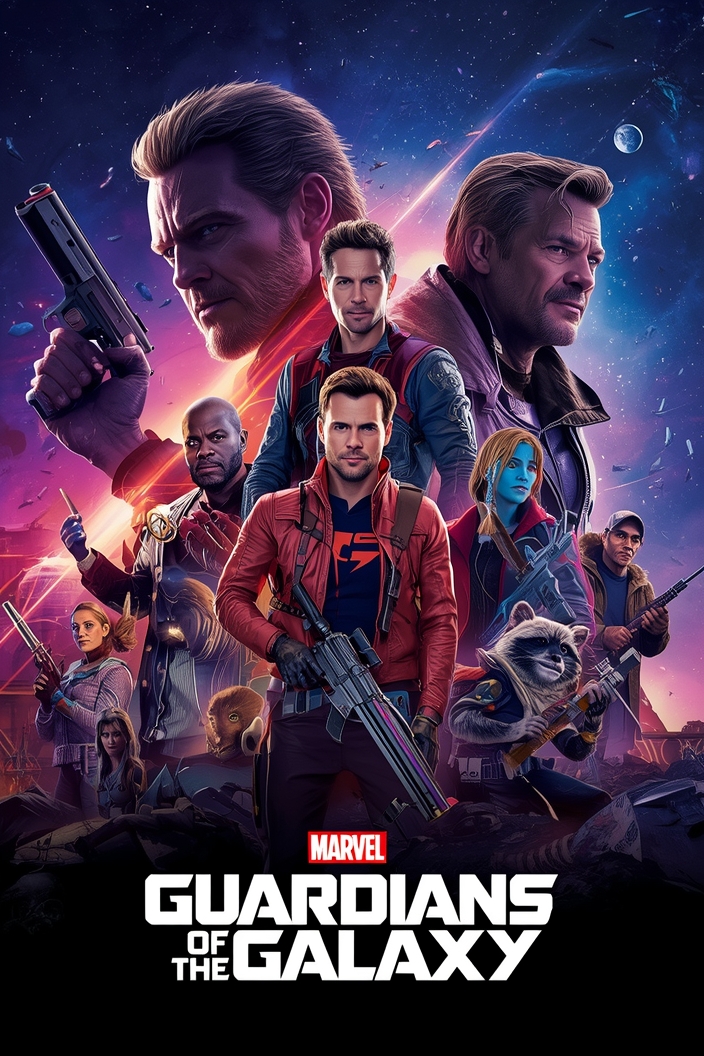
Mixed: Cosmic Comedy, Misfiring Heart – Guardians of the Galaxy
A dazzling space romp that nails tone and cast but lets its emotional core drift into the void.
Introduction
Guardians of the Galaxy arrived with a promise of a fresh, irreverent take on the Marvel formula – a rag‑tag crew, a killer soundtrack, and a galaxy that felt lived‑in. The synopsis sold us a heist‑like adventure wrapped in neon‑lit space opera, while the marketing summary hinted at a comedy that could actually care about its misfits.
What we got was a kinetic, color‑splashed blockbuster that mostly delivered on the spectacle and the jokes, but its heart never quite caught up with the fireworks. The film’s ambition to be both a laugh‑out‑loud romp and a genuine character study left it hovering between two orbits.
I’m writing this because, eight years on, the movie still divides fans: some hail it as a genre‑bending triumph, others see a missed opportunity for deeper resonance. Let’s unpack where the film shines, where it sputters, and why that matters for the future of Marvel’s cosmic side.
What It Gets Right
First, the casting is a masterstroke. Chris Pratt’s swaggering Star‑Lord lands somewhere between a 1970s rock‑star and a reluctant hero, while Zoe Saldana’s Gamora brings lethal grace without ever feeling like a sidekick. The chemistry between Pratt, Dave Bautista’s Drax, and the voice‑only duo of Bradley Cooper (Rocket) and Vin Diesel (Groot) feels earned, turning a script full of jokes into a genuine buddy‑film.
Second, the soundtrack is more than a nostalgic mixtape; it’s a narrative device. Each classic track punctuates a beat in the story, turning fight scenes into dance floors and giving the audience a tangible emotional anchor. The film’s visual design – from the neon‑lit Xandar to the rust‑colored Ravager ships – creates a playground that feels both retro and futuristic.
Finally, James Gunn’s logline – “a misfit crew steals a stone that could destroy worlds” – is executed with a confidence that makes the absurd feel purposeful. The film never pretends to be serious, and that honesty lets its humor land with surprising weight.
Premise vs. Movie
Plot Summary vs. Execution
The premise, as advertised, promised a light‑hearted space heist with a heart of gold. It suggested a tone akin to a modern‑day Amblin adventure, where the stakes are cosmic but the characters remain grounded in their personal quirks. The summary hinted at a balance between comedy and the looming threat of the Infinity Stone.
In delivery, the movie leans heavily into the comedy, often at the expense of the gravitas the Infinity Stone brings. While the tone is undeniably fun, the darker undercurrents – Yondu’s betrayal, Gamora’s conflicted loyalty – are brushed over in favor of punchlines. The result is a film that feels like a sitcom set against a backdrop of interstellar war, rather than the hybrid of Amblin optimism and Marvel menace the premise suggested.
Where It Breaks / Where It Sings
The film’s biggest mechanical flaw is its reliance on the “talking‑tree” gag. Groot’s limited vocabulary is charming at first, but the novelty wears thin after the opening act, and the script leans on his one‑line catchphrase to fill emotional beats that should have come from the human characters. Conversely, the opening sequence on the planet Morag – a perfectly choreographed blend of music, gun‑fights, and visual flair – proves the film can sync style with substance. That scene alone encapsulates the movie’s theme: finding family in chaos, even if the rest of the film sometimes forgets that lesson.
People
Chris Pratt (Star‑Lord) is used well; his charisma carries the film’s tonal swings, and his moments of vulnerability feel earned despite the jokes. Zoe Saldana (Gamora) is under‑utilized; her backstory is hinted at but never fully explored, leaving a talented actress to hover in the background. Dave Bautista (Drax) is a scene‑stealer, turning every line into a comedic beat while still delivering genuine pathos about loss.
Vin Diesel (Groot) and Bradley Cooper (Rocket) are the most efficient use of voice talent in recent Marvel, turning a CGI tree and a raccoon into icons. Their banter provides the film’s emotional core, even if the rest of the ensemble sometimes feels like a supporting cast to their antics. The villains – Michael Rooker’s Ronan and Lee Easterling’s Thanos cameo – are serviceable but never rise above the narrative’s need for a ticking clock.
Look and Feel
Visually, Guardians of the Galaxy is a technicolor fever dream. The production design blends retro 70s aesthetics with sleek sci‑fi, creating a universe that feels both nostalgic and fresh. CGI is heavy but never overbearing; the lighting on the Milano’s interior, the sparkle of the Power Stone, and the gritty texture of the Ravager ships all feel grounded in a lived‑in galaxy. The color palette – electric blues, hot pinks, and burnt oranges – reinforces the film’s comic‑book roots while keeping the eye glued to the screen.
Who It's For
If you’re a fan of Saturday‑morning cartoons, love a good mixtape, and can tolerate a plot that sometimes feels like an after‑thought, this is your Sunday night B‑movie. Kids will adore the talking tree and the raccoon’s one‑liners, while adults who wanted a District 9‑style commentary on power will be left wanting more depth. In short: it’s for anyone who wants a loud, funny space adventure and isn’t looking for a serious meditation on the Infinity Stones.
Verdict
- Premise
- 8/10
- Script
- 6/10
- Cast
- 9/10
- Craft
- 7/10
- Rewatch
- 6/10
- Plot
- 6/10
- Score
- 7/10
- One-line
- "A brilliant cast and soundtrack lift a thin script into a galaxy‑wide party, but the emotional core drifts into the void."