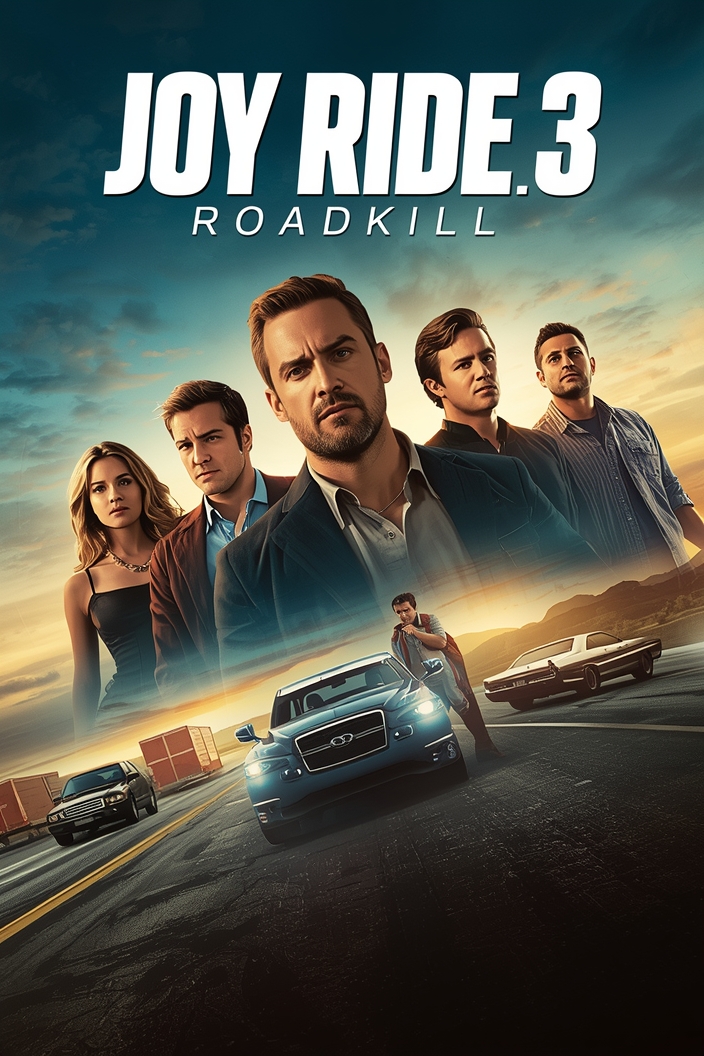
Mixed: Joy Ride 3: Roadkill Chases Thrills, Trips on Plot
A high‑octane road‑horror that nails the chase but stalls when the story needs to shift gears.
Introduction
The trailer promised a relentless cat‑and‑mouse sprint across America’s most desolate highways, a modern‑day “no‑turn‑back” thriller that would make the original Joy Ride feel like a Sunday drive. It sold the idea of a psychopathic trucker, Rusty Nail, turning a simple cross‑country road trip into a nightmare of speed, violence, and twisted games.
What the film actually delivers is a competent, if formulaic, chase that leans heavily on cheap thrills and a few well‑timed jump‑scares. The synopsis drags the audience through a series of ambushes, a kidnapping, and a final showdown at a remote warehouse, but the tension never quite reaches the level the premise suggests. I’m writing this because, despite its B‑movie budget, Joy Ride 3: Roadkill offers enough texture to discuss where it shines and where it sputters, especially for fans of the genre who expect more than just a road‑kill gag.
What It Gets Right
First, the casting of the teenage leads feels surprisingly natural. The kids—played by a mix of fresh faces and a few recognizable TV actors—manage to convey genuine fear without slipping into melodrama. Their chemistry grounds the summary’s more outlandish moments, making the audience care about who might end up as Rusty Nail’s next victim.
Second, the film’s setting is a character in itself. The endless stretches of desert, the flickering neon of a lone gas station, and the claustrophobic warehouse all combine to create a visual palette that feels both isolated and menacing. The director uses the highway’s emptiness to amplify the sense of vulnerability, turning every mile marker into a ticking clock.
Premise vs. Movie
Plot Summary vs. Execution
The premise, as advertised, wanted to be a gritty, Amblin‑style adventure where a group of friends outsmarts a relentless trucker through clever tricks and daring stunts. It hinted at a cat‑and‑mouse game that would test the characters’ wits as much as their nerves, promising a blend of suspense and dark humor.
What the movie actually delivers is a more straightforward, grim chase that leans heavily on violence rather than ingenuity. The tone shifts from a potential clever thriller to a blunt, blood‑splattered action piece. The summary’s promised negotiation at a remote warehouse becomes a predictable set‑piece, and the final highway showdown feels less like a clever climax and more like a re‑run of the opening ambush, losing the tonal nuance the premise tried to sell.
Where It Breaks / Where It Sings
The film’s most effective mechanic is the final highway showdown. In that extended sequence, the camera tracks the two trucks side‑by‑side, the roar of the engines echoing the characters’ desperation. The choreography of the chase—tight cuts, sudden lane changes, and a daring jump over a broken bridge—captures the theme of survival against an unstoppable force. Yet the same mechanic that shines here also undermines the rest of the film: the over‑reliance on high‑speed collisions leaves little room for character development, and the earlier kidnapping scene feels like a filler that never pays off. The climax proves the film can deliver pulse‑pounding action, but it also highlights how the rest of the narrative is built on shaky, repetitive set‑pieces.
People
Kingsley, the actor playing Rusty Nail, is the film’s dark heart. He brings a cold, almost mechanical menace that makes the truck driver feel like a rolling embodiment of dread. His limited screen time is used wisely; every glance and growl adds layers to a villain who could have been a one‑dimensional boogeyman.
Anderson, the director, shows a clear eye for pacing in the chase scenes, but his script choices betray a lack of confidence in the characters. The dialogue is functional at best, and the attempts at humor fall flat, making the kids feel like props rather than protagonists.
The kids themselves—Megan, Tyler, and their friends—are the only ones who get any real use. Their reactions feel authentic, and they manage to keep the audience invested despite the script’s shortcomings. They chew scenery in the best possible way, turning a generic road‑trip into a desperate fight for survival.
Look and Feel
Visually, Joy Ride 3: Roadkill leans on the stark, sun‑bleached palette of the American Southwest. The cinematography captures the endless horizon with a grainy texture that feels intentionally low‑budget, yet it works to reinforce the isolation. CGI is minimal; most of the truck stunts rely on practical effects, which gives the action a gritty, tactile feel. The warehouse interior is lit with harsh fluorescent lights, adding a cold, industrial vibe that contrasts with the open road’s desolation. Overall, the look feels cohesive, even if the design never aspires beyond functional.
Who It's For
This is a Sunday‑afternoon B‑movie for viewers who love the roar of a diesel engine and the simple pleasure of a chase that never really asks you to think. It will satisfy teens looking for a quick adrenaline fix and adults who enjoy a throw‑back to early‑2000s road‑horror without expecting deep character work. If you wanted a District 9‑style social commentary set on a highway, keep looking.
Verdict
- Premise
- 7/10
- Script
- 5/10
- Cast
- 8/10
- Craft
- 6/10
- Rewatch
- 5/10
- Plot
- 6/10
- Score
- 6/10
- One-line
- "A relentless chase that thrills but never fully delivers on its own promise."