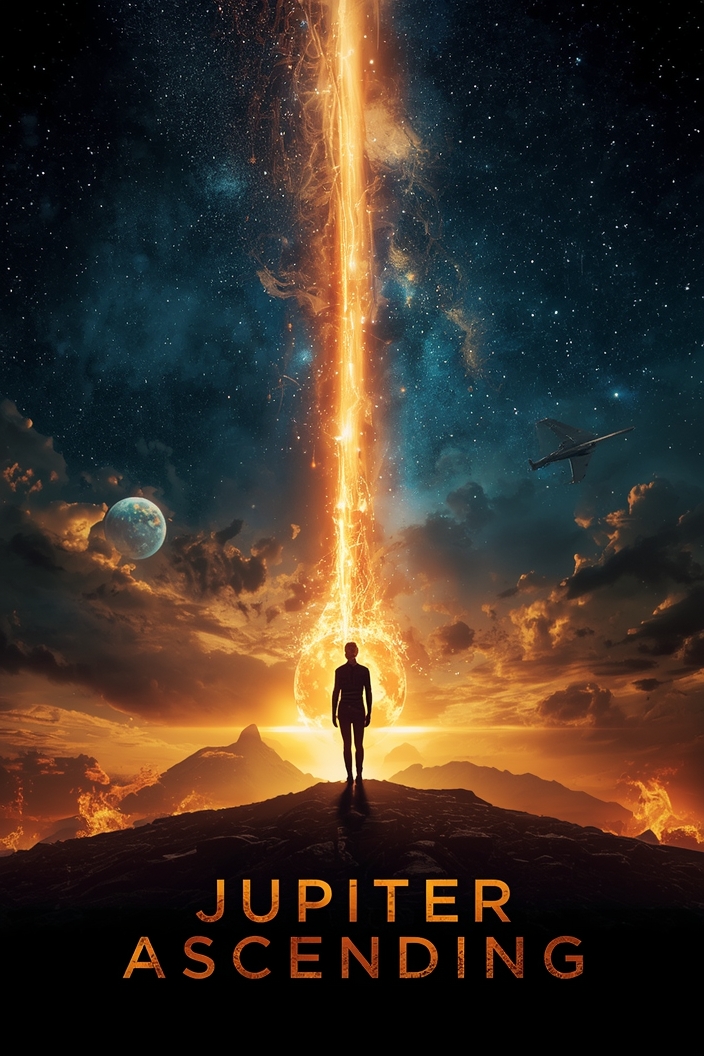
Mixed: Cosmic Ambition Meets Overblown Fantasy in Jupiter Ascending
A dazzling visual feast that collapses under its own mythic weight.
Introduction
The Wachowskis promised a space‑opera that would feel like a mythic fairy‑tale told on a galactic scale, a film where a janitor‑turned‑queen could rewrite humanity’s fate. The synopsis hinted at a high‑concept clash between interstellar aristocracy and a planet treated like a farm, a premise that should have been both intimate and epic. Instead, the summary delivers a cluttered spectacle that never settles on a single tone, and I’m here to unpack why the dream fizzles before it lifts off.
What It Gets Right
Mila Kunis finally gets a role that lets her be both vulnerable and fierce; her performance as Jupiter Jones grounds the absurdity with a relatable, street‑wise charm. Channing Tatum’s Caine is a perfect foil—his swagger and dead‑pan humor give the film moments of genuine levity. The production design is a triumph: the opulent, baroque interiors of the House of Abrasax feel like a living, breathing alien Versailles, and the CGI‑laden cityscapes of Earth‑2 are undeniably gorgeous.
The film also nails its one‑image hook: a colossal, floating palace that drifts above a neon‑lit metropolis, a visual that instantly communicates the scale of the interstellar power struggle. Even the genetic‑printing sequences, with their pulsing, organic machinery, manage to be both grotesque and beautiful, showing that the craft team could translate the script’s wild ideas into striking set pieces.
Premise vs. Movie
Plot Summary vs. Execution
What the premise set out to be was a sleek, almost Amblin‑style adventure that married mythic destiny with a tongue‑in‑cheek critique of corporate exploitation. The summary promised a clear hero’s journey—Jupiter discovering her lineage, choosing between personal power and the survival of humanity. The tone the Wachowskis aimed for was a blend of grand operatic seriousness and playful sci‑fi swagger, a balance that could have made the film feel both epic and accessible.
What the movie actually delivers is a tonal mash‑up that never quite lands. The script swings from earnest, almost Shakespearean monologues about destiny to slap‑stick banter that feels out of place in the same breath. The grim reality of Earth being harvested is treated with the same flamboyance as a fashion runway, leaving the audience unsure whether to feel awe, dread, or amusement. The result is a narrative that feels more like a collage of ideas than a cohesive story.
Where It Breaks / Where It Sings
The film’s most intriguing mechanic—the genetic harvesting of Earth’s population for a cosmic “crop”—is introduced with a chilling elegance, suggesting a commentary on exploitation that could have anchored the whole narrative. Unfortunately, the concept is abandoned midway, reduced to a backdrop for a final battle that relies on endless CGI fireworks rather than thematic payoff. The climax, while visually spectacular, feels like a late‑stage power‑up that undoes the earlier tension, turning a potentially resonant moment into a hollow spectacle.
Conversely, there is one scene that actually sings: the moment Jupiter first steps onto the floating palace, the camera pulling back to reveal the sprawling, gilded architecture against a star‑filled void. The music swells, the lighting is perfect, and for a brief instant the film lives up to its own mythic promise. It’s a reminder that the Wachowskis can still conjure moments of pure cinematic wonder when they let the visual language speak louder than the cluttered dialogue.
People
Mila Kunis is used well; she brings a street‑wise grit to a role that could have been pure fantasy, making Jupiter feel like a real person thrust into an impossible destiny. Channing Tatum, while not given much depth, shines in the limited space he has, delivering the kind of charismatic swagger that keeps the audience engaged during the film’s more convoluted passages. Eddie Redmayne, as the villainous Balem, is a wasted talent—his theatrical flair is smothered by a script that never lets his menace fully develop.
Supporting players like Sean Bean and Douglas Booth add texture, but they are largely scenery‑chewing, existing only to fill the endless corridors of the Abrasax palace. The film’s ensemble is a mixed bag: some actors are given enough to play with, while others are reduced to ornamental roles that underline the movie’s inability to balance its sprawling cast with a coherent narrative focus.
Look and Feel
Visually, Jupiter Ascending is a triumph of world‑building. The production design blends Art Deco grandeur with futuristic biotech, creating a universe that feels both familiar and alien. The CGI is heavy but generally well‑executed; the floating palace, the bio‑engineered creatures, and the neon‑lit streets of Earth‑2 all have a tactile quality that makes the film’s extravagant premise feel grounded.
However, the sheer weight of the visual effects sometimes overwhelms the story. The camera is constantly in motion, chasing the next spectacular set piece, which leaves little room for quieter, character‑driven moments. The color palette—rich purples, golds, and electric blues—can feel garish after a while, and the constant visual overload makes it hard to focus on the emotional stakes the summary tries to establish.
Who It's For
If you’re a Sunday‑afternoon B‑movie crowd that loves a kaleidoscope of sci‑fi set pieces and can forgive narrative gaps, this film will satisfy your craving for spectacle. Kids who are dazzled by giant floating palaces and laser‑filled battles might walk away entertained, even if they miss the deeper themes.
Adults who entered the theater hoping for a District 9‑style critique of exploitation, or a coherent space opera with heart, will likely feel short‑changed. The film is for viewers who prioritize visual imagination over story cohesion, and who can appreciate a wild ride even when the destination is fuzzy.
Verdict
- Premise
- 7/10
- Script
- 5/10
- Cast
- 8/10
- Craft
- 6/10
- Rewatch
- 5/10
- Plot
- 6/10
- Score
- 6/10
- One-line
- "A gorgeous mess that dazzles but never decides what it wants to be."