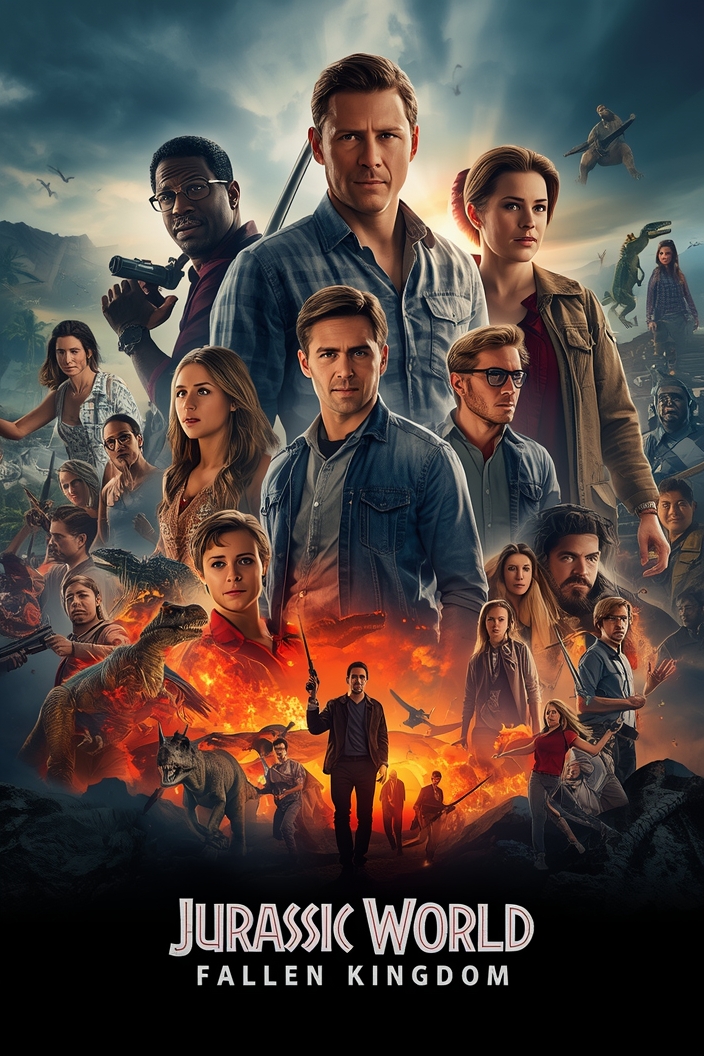
Mixed: Jurassic World: Fallen Kingdom Roars but Stumbles
A visually spectacular rescue mission that can't shake the weight of its own franchise fatigue.
Introduction
The trailer promised a high‑stakes rescue that would finally give the franchise a moral backbone – a Senate hearing, a volcanic eruption, and a chance to ask whether humanity deserves to play god with extinct life. The synopsis hinted at a thriller that could balance spectacle with a thoughtful debate about animal rights, corporate greed, and the consequences of cloning.
What we get instead is a glossy action‑adventure that leans heavily on familiar set pieces and a formulaic rescue plot. The summary delivers thrills, but the deeper questions feel tacked on, making the film feel more like a cash‑grab than a genuine ethical inquiry. I’m writing this because the sequel sits at a crossroads: it could have been a bold step forward for the series, yet it retreats into safe, franchise‑friendly territory.
What It Gets Right
The chemistry between Bryce Dallas Howard and Chris Pratt remains the film’s most reliable engine. Howard’s Claire Dearing finally sheds the corporate veneer and embraces a more urgent, almost maternal drive, while Pratt’s Owen Grady provides the roguish charm that keeps the audience invested in the dinosaur‑human partnership. Their banter feels earned, and the moments when they argue over the fate of the raptors add a surprising emotional depth that the script rarely affords.
Visually, the film hits its stride during the volcanic evacuation and the subsequent rescue of Blue. The CGI dinosaurs, especially the velociraptors, are rendered with a level of detail that makes their panic palpable. The sequence where the team races against lava‑filled corridors is a masterclass in tension‑building, using practical set pieces and digital effects to create a single, unforgettable image that lingers long after the credits roll.
Premise vs. Movie
Plot Summary vs. Execution
The premise promised an Amblin‑style wonder that would juxtapose the awe of resurrected dinosaurs with a grim, almost ecological cautionary tale. The original Jurassic Park thrived on the tension between scientific hubris and nature’s unpredictability, and the synopsis of Fallen Kingdom suggested a return to that balance, with a Senate hearing framing the moral debate.
Instead, the movie delivers a darker, more corporate‑driven tone that feels more at home in a blockbuster thriller than a thoughtful sci‑fi adventure. While the volcanic threat adds genuine peril, the film spends too much time on a slick auction sequence that feels like a shallow echo of the earlier park’s commercialism, diluting the intended ethical weight and leaving the audience with a mismatched blend of spectacle and sermon.
Where It Breaks / Where It Sings
The film’s biggest triumph is the climactic volcano escape. The set design, lighting, and sound design combine to create a visceral sense of impending doom, and the choreography of the dinosaurs scrambling for safety feels both chaotic and emotionally resonant. This single set piece proves the film can still deliver the awe‑inspiring moments that defined the original.
Conversely, the late‑stage auction twist undermines that momentum. The introduction of a billionaire villain who plans to sell the dinosaurs as weapons feels like a lazy plug for a sequel, and the script rushes through the moral implications in a way that feels more like exposition than genuine conflict. The result is a jarring tonal shift that undercuts the earlier emotional stakes.
People
Bryce Dallas Howard finally gets to shed the corporate suit that made her a meme in the first Jurassic World. In Fallen Kingdom she embraces a fierce protectiveness that feels earned, and her performance grounds the film’s more outlandish moments. She’s no longer the reluctant manager; she’s a leader who cares enough to risk everything for the creatures she once exploited.
Chris Pratt continues to ride the line between charismatic hero and comic relief. His Owen Grady is still the charming dinosaur whisperer, but this time he shows a rare vulnerability when faced with the possibility of losing Blue. Pratt’s timing remains sharp, and his chemistry with Howard keeps the human core of the story from dissolving into pure spectacle.
Jeff Goldblum, as the eccentric Dr. Ian Malcolm, is the film’s most self‑aware element. His cameo feels less like a nostalgic cameo and more like a sardonic commentary on the franchise’s own excesses. Goldblum’s dry humor and meta‑awareness provide a brief, welcome respite from the relentless action, reminding viewers that the series has always been about more than just giant reptiles.
Look and Feel
Fallen Kingdom leans heavily on a palette of ash‑gray and volcanic orange, giving the island a foreboding, almost post‑apocalyptic feel. The CGI dinosaurs are among the most realistic in the series, with feathered textures on the raptors and nuanced muscle movements that make their panic believable. Practical effects still dominate the close‑ups, especially in the rescue tunnels, creating a tactile sense of danger that CGI alone could not achieve. The overall craft feels polished, but the visual tone sometimes clashes with the film’s attempt at moral seriousness.
Who It's For
If you’re a casual fan who enjoys big‑screen dinosaur action and can overlook narrative shortcuts, this sequel will satisfy your appetite for explosions and CGI beasts. Parents looking for a family‑friendly adventure will find enough thrills to keep kids engaged, though the darker themes may raise questions. Hardcore sci‑fi fans hoping for a District 9‑level critique of corporate exploitation will be disappointed; the film offers a surface‑level moral debate but never fully commits to the depth it promises.
Verdict
- Premise
- 7/10
- Script
- 5/10
- Cast
- 8/10
- Craft
- 6/10
- Rewatch
- 5/10
- Plot
- 6/10
- Score
- 6/10
- One-line
- "A big‑screen dinosaur rescue that dazzles but never fully lands."