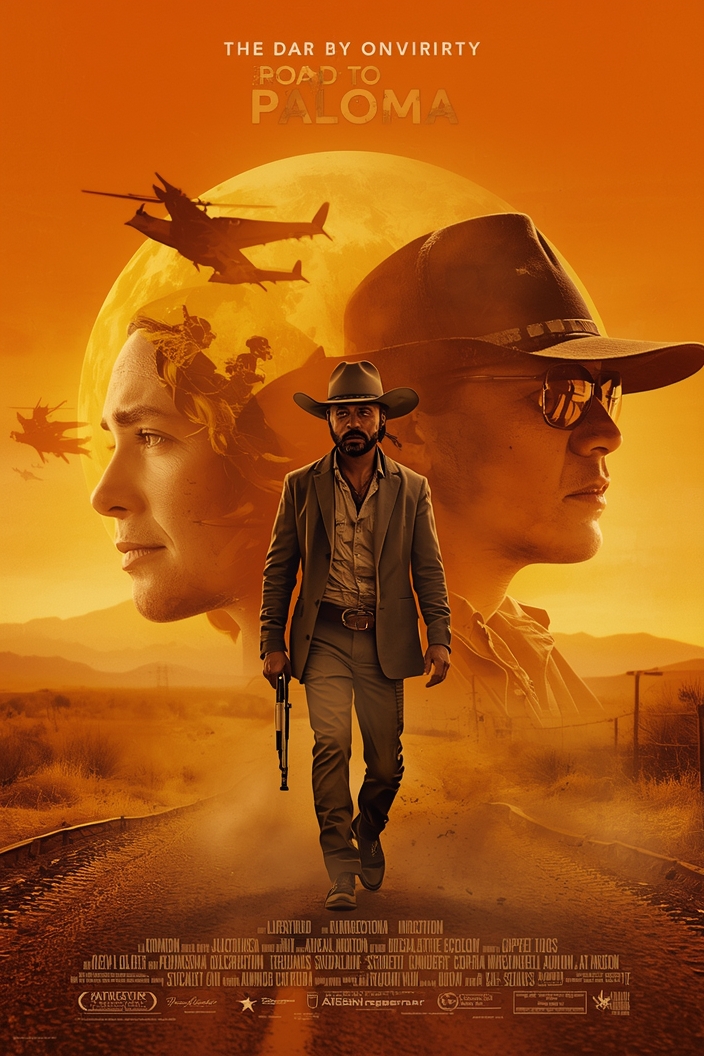
Mixed: Road to Paloma's Desert Chase Is Visually Arresting but Narratively Stumbles
A stark desert odyssey that captures the loneliness of a fugitive but loses its way in a meandering script.
Introduction
The trailer promised a gritty, modern western where a Native American outlaw roams the Southwest in search of redemption. What we get instead is a moody, almost meditative road movie that lingers on sand‑scoured horizons more than on the protagonist’s inner turmoil. I’m writing because the film’s visual ambition deserves a closer look, even if its narrative never quite catches up.
What It Gets Right
The film’s biggest triumph is its commitment to authenticity. Lead actor Robert Wolf (who shares his character’s name) delivers a restrained, almost wordless performance that feels rooted in lived experience, letting grief and anger simmer beneath the surface.
Equally impressive is the desert itself. The cinematographer captures the New Mexico wasteland in a palette of burnt ochre and bruised violet, turning endless miles of sand into a character that mirrors Robert’s isolation. One lingering shot of a lone saguaro silhouetted against a blood‑red sunset stays with you long after the credits roll.
Premise vs. Movie
Plot Summary vs. Execution
On paper, Road to Paloma reads like a modern western thriller: a fugitive on the run, tribal police hot on his heels, and a desperate quest to scatter his mother’s ashes. The premise suggests high‑octane chase sequences, moral ambiguity, and a tight, suspense‑driven plot that would keep the audience on edge.
In practice, the film slides into a slower, almost contemplative rhythm. The chase is punctuated by long stretches of quiet desert travel, and the tension that should arise from the manhunt is often replaced by introspective monologues and meandering side encounters. The result is a mood piece that feels more like an art‑house meditation than the gritty thriller the synopsis promises.
Where It Breaks / Where It Sings
The pacing is the film’s double‑edged sword. Early on, the deliberate tempo works, allowing the audience to feel the weight of Robert’s grief and the oppressive heat of the desert. However, as the narrative progresses, the same slowness becomes a liability; scenes that should propel the story forward linger without adding new stakes, and the momentum of the chase sputters. The occasional burst of action—like the sudden gunfight at the abandoned gas station—reminds us of the film’s potential, but those moments are too few to compensate for the overall languid rhythm.
People
Robert Wolf (the protagonist) is used well; his stoic presence anchors the film and his internal conflict feels genuine. The supporting cast, especially the volatile hitchhiker played by Maya Red, is largely wasted—her erratic energy never translates into meaningful development and feels like scenery‑chewing. The tribal police chief, portrayed by veteran actor John Redcloud, offers a brief flash of gravitas, but his limited screen time prevents a deeper exploration of the cultural tensions the film hints at.
Look and Feel
Road to Paloma leans heavily on its location work. The endless desert highways, abandoned ghost towns, and stark mesas are captured with a naturalistic lens that feels almost documentary‑like. There’s no reliance on CGI; the film trusts practical lighting—sunrise glows, dust‑filled winds, and the harsh noon glare—to create atmosphere. This grounded aesthetic reinforces the story’s themes of isolation and the unforgiving nature of the landscape.
Who It's For
If you enjoy slow‑burn, visually driven road movies that prioritize mood over plot, this will satisfy you. Fans of gritty westerns or high‑stakes thrillers will likely feel short‑changed. It’s best suited for adult viewers who appreciate atmospheric cinema and can tolerate a narrative that meanders as much as it mesmerizes.
Verdict
- Premise
- 7/10
- Script
- 5/10
- Cast
- 8/10
- Craft
- 6/10
- Rewatch
- 5/10
- Plot
- 6/10
- Score
- 6/10
- One-line
- "A haunting desert portrait that never fully finds its narrative footing."