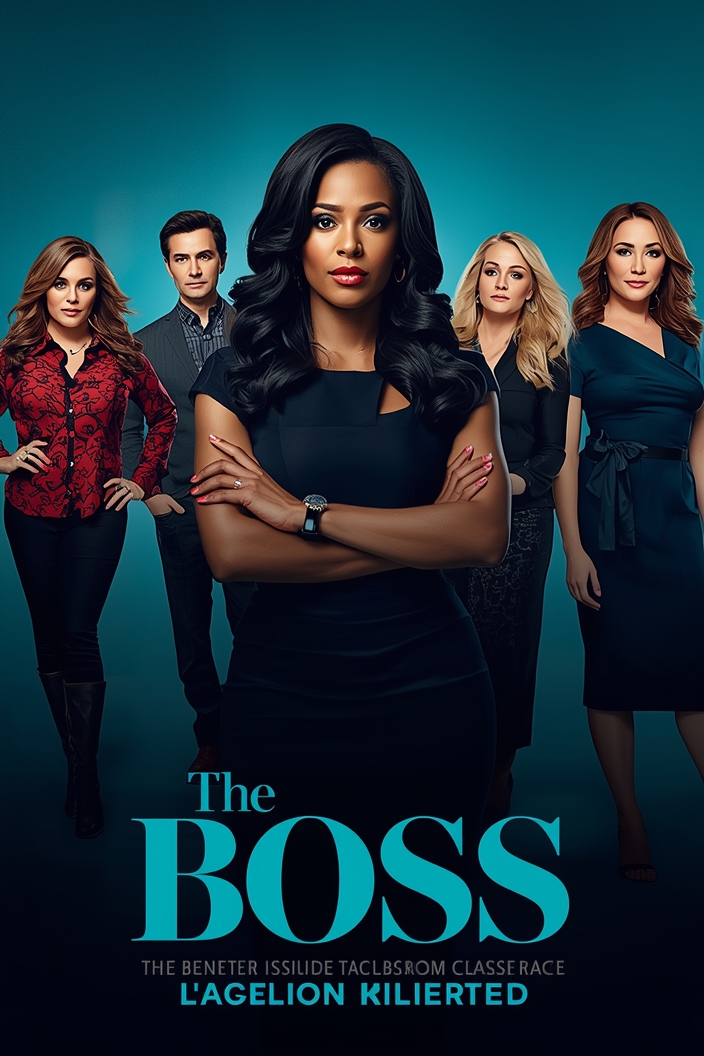
Mixed: Big Ego, Small Boutique – The Boss Tries to Sell a Lesson
A high‑octane comedy that lands some laughs but fizzles when its heart tries to outshine its punchlines.
Introduction
The Boss arrived with a promise of a raucous, unapologetic showcase for Melissa McCarthy’s larger‑than‑life brand of comedy. The synopsis suggested a self‑made mogul stripped of her empire, forced to scrub shelves at a low‑pay cosmetics boutique, and learning the value of hard work and friendship. In practice, the film is a glossy, joke‑laden sprint that never quite settles into the heartfelt rhythm its summary hints at. I’m writing this because the movie’s ambition to blend raunch with redemption is worth dissecting – it’s a case study in how a comedy can be both wildly entertaining and oddly hollow.
The summary of The Boss reads like a modern fable: a billionaire’s fall from grace, a humbling job, and a final epiphany about what truly matters. The execution, however, feels more like a series of set‑piece gags than a cohesive narrative arc. The film’s energy is undeniable, but its attempt to stitch together a moral lesson with its relentless humor leaves the audience cheering one minute and cringing the next. This critique will explore where the movie shines, where it trips, and why its mixed results matter for the comedy genre today.
What It Gets Right
First, the casting is a masterstroke. Melissa McCarthy inhabits Michelle Darnell with a swagger that makes the character’s hubris both infuriating and oddly endearing. Her physical comedy – the exaggerated gestures, the dead‑pan delivery of absurd one‑liners – lands with the precision of a seasoned comic. Kristen Bell, as the earnest boutique manager, provides a grounded counterpoint, delivering a performance that keeps the film from tipping entirely into chaos.
Second, the film’s setting – a sleek, pastel‑washed cosmetics boutique – is a visual punchline in itself. The production design turns every aisle into a runway, turning the mundane act of stocking shelves into a flamboyant spectacle. This hyper‑stylized backdrop amplifies the film’s satire of consumer culture, making the boutique feel like a character that mirrors Michelle’s own over‑the‑top personality.
Premise vs. Movie
Plot Summary vs. Execution
The premise promised a classic underdog story wrapped in a glossy comedy package. It suggested a tone that could have balanced sharp social commentary about wealth and entitlement with the slapstick humor McCarthy excels at. The intended vibe was a modern fable: a powerful woman humbled by circumstance, learning to value people over profit.
What the movie delivered, however, leans heavily into the surface‑level jokes and less into the promised introspection. The tone oscillates between raunchy party‑scene antics and forced sentimental moments that feel tacked on after the fact. The result is a film that starts with a clear, witty premise but ends up a patchwork of jokes that rarely let the underlying message breathe.
Where It Breaks / Where It Sings
The film’s biggest mechanical flaw is its pacing, especially in the second act. After the initial set‑up – Michelle’s fall and her chaotic entry into the boutique – the narrative stalls in a series of loosely connected set‑pieces: a disastrous product launch, a cringe‑worthy karaoke showdown, and a forced “team‑building” montage. These scenes, while occasionally funny, dilute the momentum built in the opening. Conversely, the final confrontation between Michelle and the boutique’s owner is a surprisingly sharp scene that crystallizes the film’s theme. In that brief moment, the comedy and the moral align, proving the movie can hit its intended note when it commits fully to either humor or heart.
People
Melissa McCarthy is undeniably the engine of The Boss. Her comedic timing, physicality, and willingness to lean into absurdity keep the film afloat even when the script falters. She is used well, never reduced to a caricature, and her performance feels like a genuine, if exaggerated, expression of a woman fighting to reclaim her identity.
Kristen Bell provides the necessary foil, delivering a performance that is both sincere and subtly sarcastic. She grounds the film’s more outlandish moments, ensuring the audience can still find a relatable anchor. The supporting cast – including Ella Anderson’s earnest teenage sidekick and the boutique’s eclectic staff – are largely underutilized, serving more as punchline props than fully realized characters.
Look and Feel
Visually, The Boss is a neon‑kissed, Instagram‑ready comedy. The boutique’s pastel palette, glittering product displays, and over‑the‑top signage create a hyper‑real world that mirrors Michelle’s own larger‑than‑life ego. The cinematography favors quick cuts and handheld shots during the chaotic moments, amplifying the sense of frantic energy. While the CGI is minimal, the film leans heavily on practical set design to turn a simple retail space into a comedic arena, making the environment feel both familiar and absurdly amplified.
The overall aesthetic feels deliberately glossy, as if the film were trying to sell a lifestyle as much as a story. This visual excess works when the jokes are on point, but it also masks the narrative’s weaker beats, leaving the audience with a surface that shines brighter than the substance beneath.
Who It's For
The Boss is for viewers who crave a high‑energy comedy that doesn’t take itself seriously – fans of McCarthy’s previous work, lovers of raunchy one‑liners, and anyone looking for a loud, unapologetic night‑in flick. It’s not for those seeking a nuanced character study or a tightly woven plot; the film’s moral lessons are secondary to its gag‑driven momentum. If you enjoy a comedy that feels like a party you can’t quite leave, this is your ticket.
Verdict
- Premise
- 7/10
- Script
- 5/10
- Cast
- 8/10
- Craft
- 6/10
- Rewatch
- 5/10
- Plot
- 6/10
- Score
- 6/10
- One-line
- "A glitter‑covered romp that lands laughs but lets its heart get lost in the boutique."