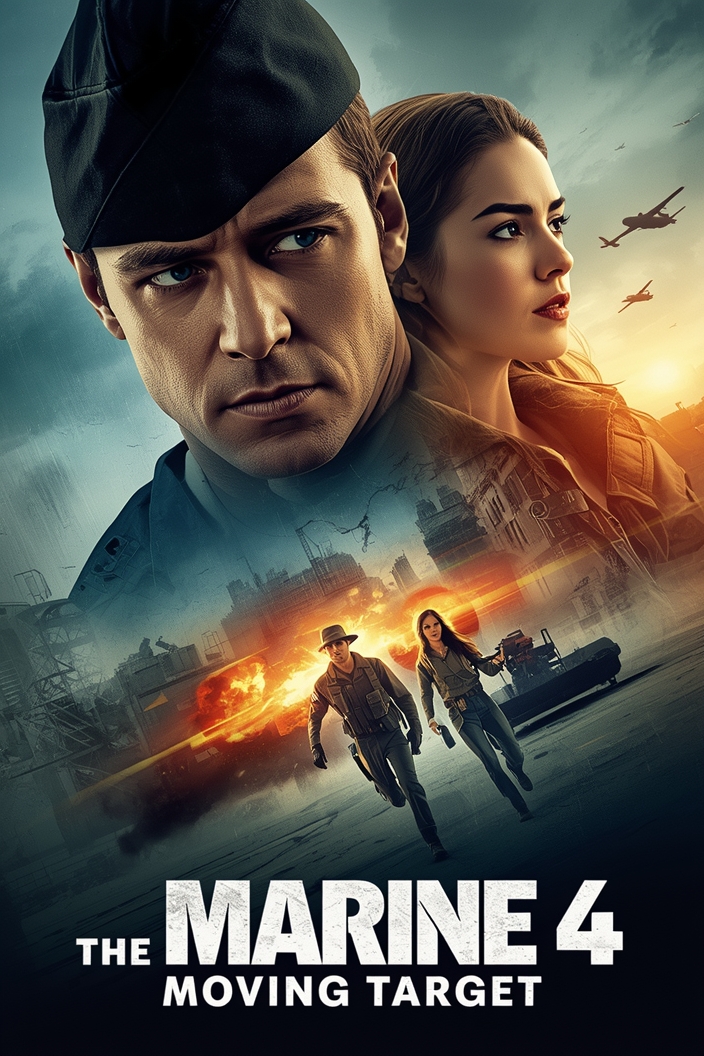
Mixed: Marine Muscle, Thin Plot: The Marine 4: Moving Target
A relentless action ride that runs out of ammo before the final showdown.
Introduction
The trailer promised a high‑stakes escort thriller, a lone Marine pitted against a shadowy defense contractor and a swarm of mercenaries. What we get instead is a familiar B‑movie formula that leans on muscle and gunfire rather than suspense. I’m writing this because the film’s premise—an ex‑Marine protecting a whistleblower—deserves more than a series of generic shoot‑outs.
The synopsis sets up a remote wilderness chase, a data‑laden USB that could topple a corporate empire, and a lone hero who must out‑think and out‑fight a professional killing squad. The summary, however, collapses into a parade of ambushes that never build tension, leaving the audience with a sense of déjà vu rather than dread.
In a market saturated with low‑budget action, The Marine 4: Moving Target tries to stand out with a political edge, but it never fully commits to either the thriller or the muscle‑fest. This critique will unpack where the film lands and why it matters.
What It Gets Right
First, Mike "The Miz" Mizanin brings a physicality that feels authentic for a former Marine. His combat choreography, especially in the opening river chase, is crisp and surprisingly grounded for a direct‑to‑video release.
Second, the remote Pacific Northwest setting provides a rugged backdrop that the film uses effectively. The mist‑shrouded forests and craggy cliffs give the chase sequences a visual texture that the script often lacks.
Finally, the logline—"a Marine escorts a whistleblower through hostile terrain"—delivers a clear, high‑concept hook that draws viewers in before the plot meanders.
Premise vs. Movie
Plot Summary vs. Execution
The premise promised a gritty, conspiracy‑laden thriller in the vein of early 2000s action‑dramas, where a lone soldier uncovers corporate malfeasance and must outwit both mercenaries and corrupt officials. The tone it aimed for was a blend of tension‑filled cat‑and‑mouse and a moral showdown about whistleblowing in a world where data is power.
What the movie actually delivers is a straightforward, muscle‑first action piece that treats the political angle as window dressing. The suspense is replaced by a series of set‑piece ambushes, and the moral stakes are reduced to a simple "protect the lady" trope. The result is a film that feels more like a showcase for explosions than a serious thriller, leaving the original promise largely unfulfilled.
Where It Breaks / Where It Sings
The film’s biggest mechanical flaw is its relentless ambush structure. Every ten minutes a new group of mercenaries appears, each with the same tactics—roadblocks, sniper fire, and a brief hand‑to‑hand scramble. This repetition erodes any sense of escalation and makes the action feel like a checklist rather than a rising threat.
However, the final canyon chase sings. Set against a sweeping gorge, the sequence combines practical stunts, a well‑timed helicopter pursuit, and a moment where Carter must leap across a collapsing bridge while protecting Olivia’s data drive. The choreography here finally feels earned, and the stakes feel real, offering a brief but satisfying payoff that the rest of the film never quite reaches.
People
Mike "The Miz" Mizanin (Jake Carter) is used well. His charisma and physical presence carry the film, and he injects just enough grit to make the audience root for his survival. Summer Rae (Olivia Tannis) is largely a plot device; she has limited screen time and little agency beyond delivering the data, but she does manage a few tense moments that hint at deeper resolve.
The mercenary leader, played by veteran character actor Michael Jai White, is the only antagonist with a hint of depth. His brief backstory about being a former special forces operative adds a sliver of credibility, though the script never expands on it. The supporting cast—local lawmen and corrupt officials—are largely scenery‑chewing, serving only to populate the world without adding nuance.
Look and Feel
Visually, the film leans on the natural beauty of its forested locations, using fog and low‑key lighting to create a moody atmosphere that feels more atmospheric than the budget would suggest. The CGI is minimal, limited to a few explosions and a helicopter model that occasionally flickers. The cinematography favors handheld shots during combat, giving the action a kinetic edge, while the wider landscape shots provide occasional breathing room. Overall, the look feels competent for a direct‑to‑video action thriller, even if the visual polish never reaches theatrical standards.
Who It's For
If you enjoy Sunday night B‑movie marathons, love watching a former wrestler swing a rifle, or simply want a no‑brain‑required action flick with plenty of gunfire, this is for you. It’s not for viewers seeking a tight thriller, nuanced characters, or any real political commentary.
Verdict
- Premise
- 7/10
- Script
- 5/10
- Cast
- 8/10
- Craft
- 6/10
- Rewatch
- 5/10
- Plot
- 6/10
- Score
- 6/10
- One-line
- "All muscle, little mind."