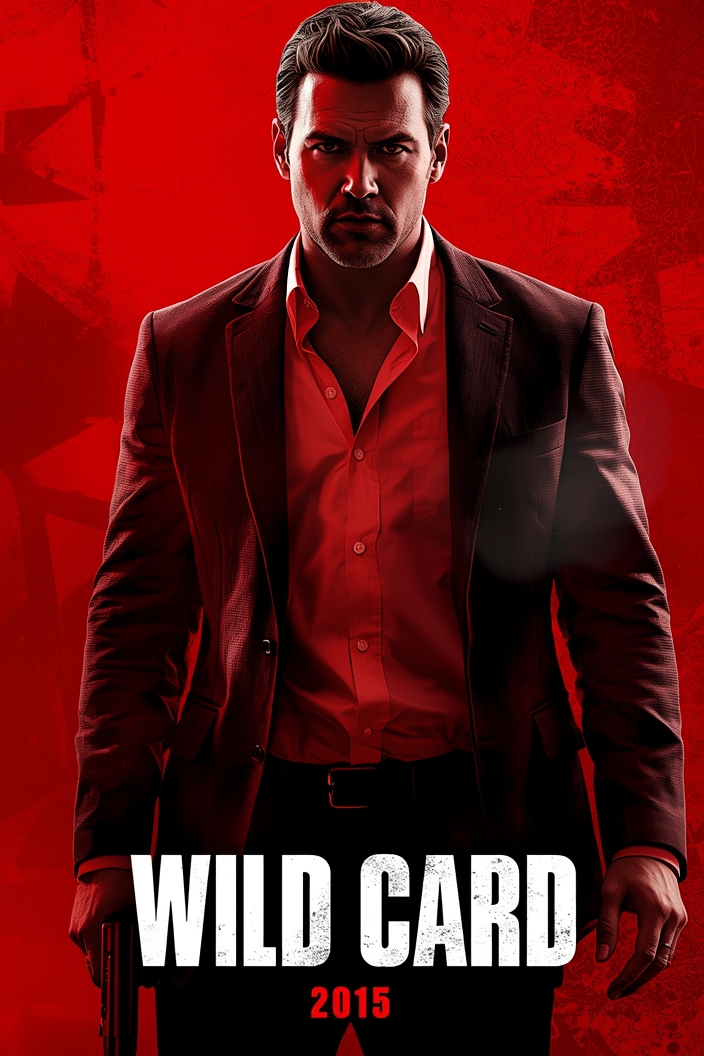
Mixed: Great Cast, Soft Script: Wild Card
A slick Atlantic City thriller that shines when Statham’s swagger meets neon grit, but stalls under a thin plot and uneven tone.
Introduction
Wild Card promised a high‑octane gamble: a charismatic bodyguard‑gambler navigating mob intrigue, a casino heist, and a mysterious femme fatale. What we got was a glossy, neon‑slick crime caper that never quite rolls the dice on its own terms. I’m writing because the film straddles two worlds—stylish action and gritty noir—and ends up stuck in the middle, leaving both fans and skeptics wanting more.
The synopsis teases a man haunted by his past, forced to confront luck and loyalty in Atlantic City’s underbelly. The summary delivers a series of set‑piece fights and card‑shuffling twists, but the emotional stakes feel as thin as a dealer’s hand. This critique unpacks where the film hits its stride and where it folds.
What It Gets Right
Jason Statham is the film’s engine. His effortless cool and physicality make Nick Wild feel like a living, breathing casino legend, even when the script leaves him with little to chew on. The performance anchors the chaos, turning every barroom brawl into a showcase of kinetic charm.
Atlantic City itself is a character. The neon‑lit boardwalk, the clatter of slot machines, and the rain‑slicked streets create a vivid backdrop that feels both glamorous and gritty. The production captures the city’s decay and decadence, giving the film a visual texture that many action‑thrillers lack.
Premise vs. Movie
Plot Summary vs. Execution
The premise wanted a modern‑day anti‑hero film—think a blend of *The Cooler* and *John Wick*—where a gambler‑bodyguard’s luck is the narrative engine. It promised tension between chance and choice, a moral gamble that would keep the audience on edge.
Instead, the movie delivers a conventional action thriller. The tone leans heavily on Statham’s swagger and set‑piece choreography, diluting the intended noir‑ish introspection. The high‑stakes heist feels more like a backdrop for car chases than a true test of the protagonist’s luck, leaving the promised psychological depth under‑cooked.
Where It Breaks / Where It Sings
The film’s biggest flaw is its pacing rhythm. The first act builds tension with tight, character‑driven moments, but the middle stretches into a series of loosely connected set‑pieces that feel like filler. The climax tries to re‑tighten the knot, but the earlier loss of momentum makes the payoff feel rushed.
Conversely, the casino heist sequence sings. Shot with kinetic camera work and a pulsating synth score, it captures the thrill of high‑stakes gambling. The choreography of cards, guns, and explosions aligns perfectly with the film’s theme of risk, offering a brief, exhilarating glimpse of what the whole movie could have been.
People
Jason Statham (Nick Wild) – used well. His charisma carries the film, and his physicality makes every fight feel earned.
Michael Angarano (the rookie sidekick) – wasted. He has moments of humor but never gets a chance to develop beyond a plot device.
The femme fatale (played by Megan Fox) – scenery‑chewing. She’s visually striking, yet her motives remain vague, reducing her to a decorative plot catalyst.
Look and Feel
The film leans into Atlantic City’s neon glow, using saturated colors and rain‑slick streets to craft a gritty‑glam aesthetic. The production design mixes gaudy casino interiors with shadowy back‑alley bars, creating a visual contrast that mirrors the protagonist’s double life. Practical effects dominate the fight scenes, giving them a tactile weight, while the occasional CGI—like the exploding slot machine—feels functional rather than flashy.
Who It's For
If you enjoy a Sunday B‑movie with a strong lead and glossy action, Wild Card will satisfy. It’s not for viewers seeking a tightly plotted crime drama or a deep character study. Fans of Statham’s pure‑muscle style will find enough to cheer, but anyone looking for a smart heist thriller should look elsewhere.
Verdict
- Premise
- 7/10
- Script
- 5/10
- Cast
- 8/10
- Craft
- 6/10
- Rewatch
- 5/10
- Plot
- 6/10
- Score
- 6/10
- One-line
- "Stylish action and Statham’s swagger shine, but a thin script and uneven pacing keep Wild Card from cashing in."